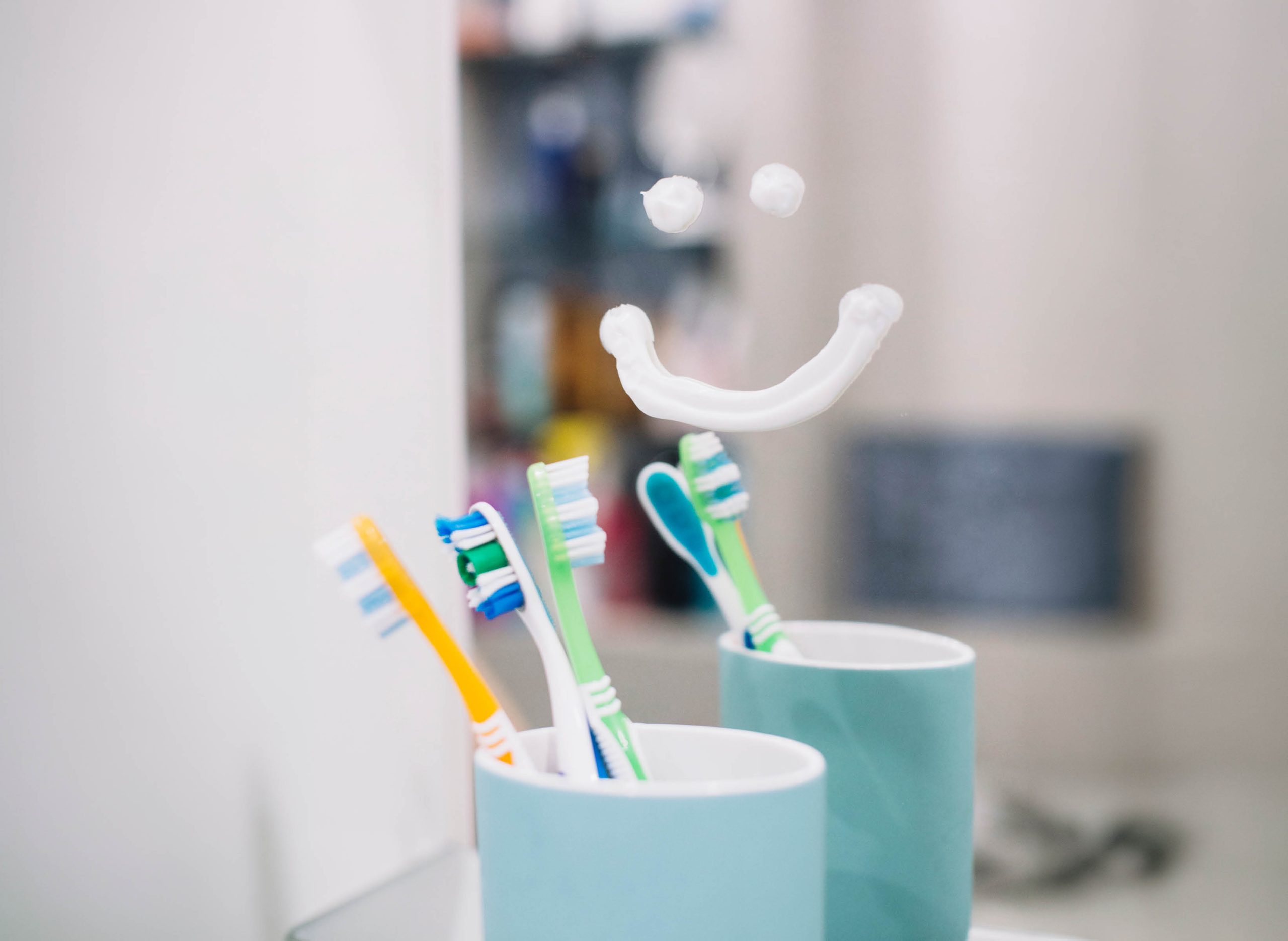
When shopping for a toothbrush, you may notice different bristle options: soft, medium, and hard.
Many people assume that harder bristles clean better.
After all, if you’re trying to remove plaque and stains, wouldn’t a firmer brush do a better job?
Not necessarily.
In fact, choosing the wrong toothbrush may do more harm than good.
What Really Cleans Your Teeth?
Good brushing isn’t about scrubbing harder.
It’s about using the right technique consistently.
Plaque is a soft, sticky film that doesn’t require excessive force to remove. Gentle, effective brushing is usually all that’s needed.
Soft Bristles: The Most Recommended Option
Most dentists recommend soft-bristled toothbrushes for everyday use.
Soft bristles are effective at removing plaque while being gentle on your enamel and gums.
They’re especially suitable for:
🦷 Most adults and children
🦷 People with sensitive teeth
🦷 Individuals with gum recession
🦷 Patients recovering from dental treatment
For the majority of people, a soft toothbrush provides the best balance between cleaning and protection.
Medium Bristles: Use with Care
Medium-bristled brushes are firmer and may feel like they’re cleaning more thoroughly.
However, when combined with aggressive brushing, they can increase the risk of enamel wear and gum irritation over time.
Some people may use them comfortably, but they are generally not necessary for effective daily cleaning.
Hard Bristles: Not Usually Recommended
Hard-bristled toothbrushes may seem powerful, but they can be harsh on your teeth and gums.
Over time, excessive force combined with hard bristles may contribute to:
• Enamel erosion
• Gum recession
• Tooth sensitivity
• Damage to exposed root surfaces
For most people, hard-bristled toothbrushes offer more risk than benefit.
The Best Toothbrush Is…
The one that cleans effectively without damaging your teeth.
For most people, that means choosing a soft-bristled toothbrush and brushing gently for two minutes twice a day.
Our Recommendation
If you’re unsure whether your brushing habits are helping or harming your teeth, a dental check-up can provide valuable insight.
At Eli Dental Surgery, we believe prevention starts with the right daily habits.
Sometimes, protecting your smile isn’t about brushing harder—it’s about brushing smarter.
软毛、中毛还是硬毛牙刷?哪一种更适合你?
选购牙刷时,你是否曾经想过:
软毛、中毛、硬毛,到底哪一种刷得最干净?
很多人会觉得:
“毛越硬,刷得越干净。”
但事实可能刚好相反。
牙齿真正需要的,不是更大力
牙菌斑其实是一层柔软的细菌膜。
要清除它,并不需要用力刷洗。
正确的刷牙方式,比刷毛硬度更重要。
如果长期用力过度刷牙,即使牙齿看起来很干净,也可能对牙齿和牙龈造成伤害。
软毛牙刷:牙医最常推荐
大多数牙医都会建议使用软毛牙刷。
因为它能够有效清除牙菌斑,同时减少对牙龈和牙釉质的磨损。
特别适合:
🦷 大多数成人与儿童
🦷 敏感性牙齿患者
🦷 牙龈萎缩者
🦷 牙科治疗后的患者
对于绝大多数人来说,软毛牙刷已经足够提供良好的清洁效果。
中毛牙刷:需要注意力度
中毛牙刷刷毛较硬,容易让人产生“刷得更干净”的感觉。
但如果搭配用力刷牙,长期下来可能增加牙釉质磨损及牙龈受伤的风险。
因此并不一定比软毛牙刷更好。
硬毛牙刷:并非越硬越有效
硬毛牙刷虽然刷感明显,但对于牙齿和牙龈来说可能过于刺激。
长期使用可能导致:
• 牙釉质磨损
• 牙龈萎缩
• 牙齿敏感
• 牙根暴露
对于大部分人而言,硬毛牙刷带来的风险往往高于好处。
最好的牙刷是什么?
答案其实很简单:
能够有效清洁,同时不会伤害牙齿和牙龈的牙刷。
对于大多数人来说,这通常就是一支软毛牙刷。
Eli Dental 的建议
保护牙齿,不是靠更用力地刷。
而是靠正确的方法和合适的工具。
如果你不确定自己的牙刷是否适合自己,欢迎向我们的牙医团队咨询。
因为健康的笑容,不是刷出来的伤痕,而是温柔照顾出来的。